88888888888888888888888888888888888888888888888888888888888888888888888888888888888888888888888888888888888888
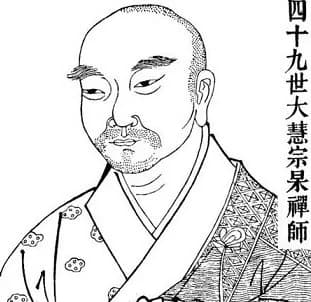
Taigu, Ryokan - A00255
88888888888888888888888888888888888888888888888888888888888888888888888888888888888888888888888888888888888888
Ryōkan | |
|---|---|
| Title | Rōshi |
| Personal life | |
| Born | 1758 |
| Died | 18 February 1831 (aged 72–73) |
| Religious life | |
| Religion | Buddhism |
| School | Sōtō |
88888888888888888888888888888888888888888888888888888888888888888888888888888888888888888888888888888888888888
"But if you don't write of things deep in your own heart,
"What's the use of churning out so many words?" (07/10/2022)
8888888888888888888888888888888888888888888888888888888
"See and realize that this world is not permanent. Neither late nor early flowers will remain." (12/24/2022)
88888888888888888888888888888888888888888888888888888888888888888888888888888888888888888888888888888888888888
Ryōkan (born 1758, Izumozaki, Japan—died Feb. 18, 1831, Echigo province) was a Zen Buddhist priest of the late Tokugawa period (1603–1867) who was renowned as a poet and calligrapher.
The eldest son of a village headman, he became a Buddhist priest at about the age of 17 under the religious name of Taigu Ryōkan. When he was 21 he met an itinerant monk, Kokusen, and followed him to his temple, Entsū-ji, at Tamashima, Bitchū province. He followed a life of monastic discipline there for 12 years. After Kokusen’s death he traveled to various parts of Japan as a mendicant priest. In old age he returned to his native Echigo province, where he studied the Man’yōshū and ancient calligraphy. He developed a strong master-pupil relationship with a young nun, Teishin, who after his death compiled Hachisu no tsuyu (1835; “Dew on the Lotus”), a collection of his haiku and waka poems. He also executed many pieces of calligraphy that are esteemed for their elegant beauty.
88888888888888888888888888888888888888888888888888888888888888888888888888888888888888888888
Taigu Ryōkan (大愚良寛[1]; Japanese pronunciation: [ɾʲoꜜː.kaɴ],[2] 1758 – 18 February 1831[a]) was a quiet and unorthodox Sōtō Zen Buddhist monk who lived much of his life as a hermit. Ryōkan is remembered for his poetry and calligraphy, which present the essence of Zen life.
Early life
Ryōkan was born Eizō Yamamoto (山本栄蔵, Yamamoto Eizō) in the village of Izumozaki in Echigo Province (now Niigata Prefecture) in Japan to the village headman. He renounced the world at an early age to train at nearby Sōtō Zen temple Kōshō-ji, refusing to meet with or accept charity from his family. Once the Zen master Kokusen visited the temple, and Ryōkan was deeply impressed with his demeanour. He solicited permission to become Kokusen's disciple. Kokusen accepted, and the two returned to Entsū-ji monastery in Tamashima (now Okayama Prefecture).
It was at Entsū-ji that Ryōkan attained satori and was presented with an Inka by Kokusen. Kokusen died the following year, and Ryōkan left Entsū-ji to embark on a long pilgrimage. He lived much of the rest of his monastic life as a hermit. His decision to leave Entsū-ji may have been influenced by Gentō Sokuchū, the abbot of the temple. At the time, Gentō was aggressively reforming the Sōtō school to remove perceived 'foreign' elements, including kōan. The scholar Michel Mohr suggests Ryōkan may have been in disagreement with Gentō's efforts.[3]
Life as a hermit

Ryōkan spent much of his time writing poetry, doing calligraphy, and communing with nature. His poetry is often very simple and inspired by nature. He loved children, and sometimes forgot to beg for food because he was playing with the children of the nearby village. Ryōkan refused to accept any position as a priest or even as a "poet." In the tradition of Zen his quotes and poems show he had a good sense of humour and didn't take himself too seriously.

Ryōkan lived a very simple life, and stories about his kindness and generosity abound. On his deathbed, Ryōkan offered the following death poem to Teishin, his close companion:
Final years
In 1826 Ryōkan became ill and was unable to continue living as a hermit. He moved into the house of one of his patrons, Kimura Motouemon, and was cared for by a young nun called Teishin. "The [first] visit left them both exhilarated, and led to a close relationship that brightened Ryōkan's final years".[5] The two of them exchanged a series of haiku. The poems they exchanged are both lively and tender. In his later years, as reflected in his devotional poetry, Ryōkan also adopted elements of Pure Land Buddhism into his practice, chanting nembutsu and aspiring for birth in Amida's Pure Land.[6][7] Ryōkan died from his illness on the 6th day of the new year 1831. "Teishin records that Ryōkan, seated in meditation posture, died 'just as if he were falling asleep'".[8]
Stories of Ryōkan
It is said Ryōkan only slept with most of his body inside of a mosquito net so that he would not hurt the bugs outside.
Ryōkan was fond of rice wine and would sometimes drink it to excess. "I send one of the children to buy some country wine/ And after I'm drunk, toss off a few lines of calligraphy."[9]
Ryōkan attended the midsummer Bon Festivals. Because he was a monk, he would normally be unable to attend, but sneaked in disguised as a woman.
Ryōkan hated waste, and so any food that he was offered that he did not eat, he put into a little pot. Over time, the food rotted and became filled with maggots and other bugs. When warned against eating it, all Ryōkan said was, “No, no, it's all right. I let the maggots escape before I eat it and it tastes just fine!”
One evening a thief visited Ryōkan's hut at the base of the mountain only to discover there was nothing to steal. Ryōkan returned and caught him. "You have come a long way to visit me," he told the prowler, "and you should not return empty-handed. Please take my clothes as a gift." The thief was bewildered. He took the clothes and slunk away. Ryōkan sat naked, watching the moon. "Poor fellow," he mused, "I wish I could have given him this beautiful moon." This story may be an interpretation of an account mentioned by Ryōkan in a haiku:
- 盗人に 取り残されし 窓の月
- ぬすっとに とりのこされし まどのつき
- nusutto ni / torinokosareshi / mado no tsuki
- The thief left it behind:
- the moon
- at my window.[10]
Notes
- Born Hōreki 8 (1758) - died 6th Mutsuki (一月), Tenpō 2 (1831) in the Japanese calendar.
References
- 相馬御風 (1918). 大愚良寛 [Taigu Ryōkan] (in Japanese). 春陽堂.
- Kindaichi, Haruhiko; Akinaga, Kazue, eds. (10 March 2025). 新明解日本語アクセント辞典 (in Japanese) (2nd ed.). Sanseidō.
- Heine, Steven; Wright, Dale S. (2000), The Koan: Texts and Contexts in Zen Buddhism, Oxford University Press, p. 245, ISBN 0-19-511748-4
- Hoffmann, Yoel (translator). Japanese Death Poems. Tuttle, 1986, p. 268. ISBN 0-8048-3179-3
- Ryūichi Abé and Peter Haskel, Great Fool: Zen master Ryōkan: poems, letters, and other writings. University of Hawaii Press, 1996, p. 19. ISBN 0-8248-1777-X
- "和歌でたどる良寛の生涯". 良寛ワールド (in Japanese). Retrieved 16 September 2025.
- Ryūichi Abé and Peter Haskel, Great Fool: Zen master Ryōkan: poems, letters, and other writings. University of Hawaii Press, 1996. ISBN 0-8248-1777-X
- Abe and Haskel, 1996, p. 19.
- Abe and Haskell, 1996, p. 109.
- Written after a thief robbed his hut, as translated in Mitchell, Stephen, editor. The Enlightened Heart: An Anthology of Sacred Poetry. Harper Perennial, 1993, p. 162. ISBN 978-0060920531
Further reading
- Dew-Drops on a Lotus Leaf (Ryokwan of Zen Buddhism), foreword and translation by Gyofu Soma & Tatsukichi Irisawa, (Tokyo), 1950.
- One Robe, One Bowl: The Zen Poetry of Ryōkan (ISBN 0834801264), 1977, translated and introduced by John Stevens. Weatherhill, Inc.
- The Zen Poems of Ryōkan translated by Nobuyuki Yuasa, Princeton University Press, 1981.
- Ryokan: Zen Monk-Poet of Japan, translated by Burton Watson, Columbia University Press, 1992.
- Three Zen Masters: Ikkyū, Hakuin, Ryōkan (Kodansha Biographies) (ISBN 4770016514), by John Stevens, 1993.
- Great Fool: Zen Master Ryōkan: Poems, Letters, and Other Writings (ISBN 0-8248-1777-X), by Ryuichi Abe (with Peter Haskel), 1996.
- Ryokan's Calligraphy, by Kiichi Kato; translated by Sanford Goldstein and Fujisato Kitajima, (Kokodo) 1997.
- The Zen Fool: Ryōkan (ISBN 0804821283), translated, with an introduction, by Misao Kodama and Hikosaku Yanagashima, 1999.
- Ryokan: Selected Tanka and Haiku, translated from the Japanese by Sanford Goldstein, Shigeo Mizoguchi and Fujisato Kitajima (Kokodo, 2000)
- Dewdrops on a Lotus Leaf: Zen Poems of Ryōkan, translated and edited by John Stevens, Shambhala Publications, 2012.
- Sky Above, Great Wind: The Life and Poetry of Zen Master Ryokan (ISBN 1590309820), written by Kazuaki Tanahashi, 2012
- Kakurenbo Or the Whereabouts of Zen Priest Ryokan with translations by Nobuyuki Yuasa, (ISBN 978-0985565114), by Eido Frances Carney, Temple Ground Press, 2013.
- Zen Master Tales: Stories from the Lives of Taigu, Sengai, Hakuin, and Ryōkan, (ISBN 9781611809602), by Peter Haskel, Shambhala Publications, 2022.
- This and That: Selected Short Poems of Ryokan(ISBN 9781966608158), translated by Stan Ziobro and John Slater, Monkfish Book Publishing, 2026.
88888888888888888888888888888888888888888888888888888888888888888888888888888888888888888888888888888888888888